
Subsribe to our email newsletter today to receive update on the latest news, blogs and special offers!

Safety Glasses
Our safety glasses are built to keep dust, debris and flying fragments out of your eyes, whether you’re on a site, at the range or out on duty. We stock clear lenses for indoor and low-light work, and smoke lenses for when the sun’s out. Every pair is lightweight enough to wear all shift. Need something with a tighter seal? Have a look at our safety goggles. For ballistic-rated eyewear, head over to our shooting glasses.
-
 Tactical Type-N Safety Glasses – Clear Shooting GlassesSpecial Price £10.00 From: £18.34
-
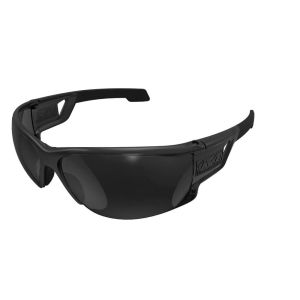 Tactical Type-N Safety Glasses – Smoke Shooting GlassesSpecial Price £10.00 From: £18.34


Eye Protection Glasses for Work, Range and Duty
Eye injuries happen fast. A stray chip of metal, a splash or a bit of grit in the wind can mean a trip to A&E, or worse. A good pair of safety glasses costs very little compared with that, and good ones are comfortable enough that you’ll actually keep them on.
We’ve picked eyewear for people who work on their feet: firearms officers, security teams, construction workers, mechanics and anyone who works with tools at home. The Mechanix Type-N range has a lightweight, wraparound polycarbonate frame with rimless lenses, so you get a wide field of view and cover from the side as well as the front. Soft rubber ear pads and a moulded nose bridge stop them slipping when you’re on the move.
Choosing the Right Lens Tint
- Clear safety glasses. Best for indoors, night work and overcast days. Our clear Type-N glasses let through 90% of visible light, so you get protection without losing clarity.
- Smoke (tinted) safety glasses. These work as safety sunglasses for bright days, driving and outdoor ranges. The smoke Type-N lens lets through just 13% of visible light, which cuts glare and eye strain.
If you’re unsure which to buy, a lot of people keep a clear pair and a smoke pair in the kit bag and swap them as the light changes. The Profile NVG Glasses come with both grey and clear lenses in the box.
Safety Standards Explained
Most safety specs sold in the UK are tested to EN 166, the standard for personal eye protection. It covers lens strength, optical quality and impact resistance. You’ll also see ANSI Z87.1, the American equivalent, on a lot of tactical eyewear.
Both pairs of Mechanix Type-N glasses meet EN 166:2001 and ANSI Z87+. The clear version is also tested to MIL-PRF 32432, the US military ballistic standard, so it’s a solid choice for firearms officers and range use. The Profile NVG Glasses are rated to ANSI Z87.1 and MIL-V-43511C. For more ballistic-rated options, see our shooting glasses.
Anti-Fog Safety Glasses
Fogging is the main reason people take their glasses off, and that’s when accidents happen. Both Type-N lenses have an anti-fog coating that the manufacturer says clears mist six times faster than basic coatings. They also have an anti-scratch layer. All our safety glasses block at least 99% of UV rays, so they’re just as useful outdoors as in the workshop. Keep them clean with a proper lens cleaner rather than your sleeve, and finish off your kit with our head protection.
Safety Glasses FAQs
What are safety glasses used for?
Safety glasses protect your eyes from impact, dust, debris and some splashes. People wear them for construction, engineering, DIY, shooting, cycling and security work. Anywhere something could hit your eyes, they’re worth having.
What is the difference between safety glasses and safety goggles?
Safety glasses are lighter and more comfortable for long wear, but they leave small gaps around the edges. Goggles seal against your face, so they’re the better choice for fine dust, liquid splashes and chemicals.
What does EN166 mean on safety glasses?
EN 166 is the European and UK standard for personal eye protection. It sets the minimum levels for lens strength, optical quality and impact resistance. The letters and numbers on the frame show which tests the glasses have passed.
Are tinted safety glasses allowed indoors?
Darker lenses are best kept for bright conditions. A heavy tint cuts the light you need to see clearly inside, which can be a hazard in its own right. For indoor and low-light work, a clear lens is the safer choice.
How do I stop my safety glasses from fogging up?
Choose a pair with an anti-fog coating (often marked 'N'), and make sure the frame sits slightly off your face so air can move around it. Clean the lenses regularly with a suitable lens cleaner, as grease and dirt make fogging worse.
Can my employer make me wear safety glasses?
Yes. Under the Personal Protective Equipment at Work Regulations, employers must provide suitable eye protection free of charge where there’s a risk, and employees must wear it. If your current pair is uncomfortable, ask about other styles.
Are polarised safety glasses any good?
Polarised lenses are great at cutting glare from water, roads and wet surfaces. They can make LCD screens and some dashboard displays hard to read, though, so a standard smoke lens is often the more practical choice for work.

Filter


